Cute Honey Bear: A Friendly Display Font for Web Design
In the crowded landscape of digital experiences, the choice of typeface often dictates the first emotional connection a user makes with a brand. As designers, we constantly search for Fonts that balance personality with functionality. Enter Cute Honey Bear, a display font that brings a playful, approachable energy to web interfaces without sacrificing legibility. This creative font is not just a decorative element; it is a strategic tool for establishing a warm, trustworthy, and engaging online identity.
The Visual Personality of Cute Honey Bear
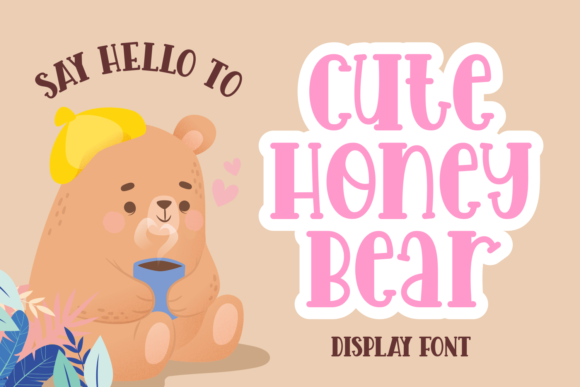
Cute Honey Bear stands out in the category of Display typography due to its rounded, soft edges and friendly character shapes. Unlike rigid geometric sans serifs or overly ornate script fonts, this typeface mimics the organic feel of hand-drawn illustrations while maintaining the structural integrity needed for digital screens. The visual weight of the letters is substantial yet inviting, making it an excellent choice for headlines that need to capture attention immediately.
When evaluating a premium font for a project, I look for distinctiveness. Cute Honey Bear offers a unique silhouette that feels modern yet timeless. Its curves suggest comfort and safety, which are crucial psychological triggers for brands targeting families, children, or wellness communities. Whether you are designing a landing page for a kids' app or a boutique store selling handmade goods, this font communicates a "lovely touch" that generic system fonts simply cannot achieve.
Strategic Placement in Digital Layouts
Integrating Cute Honey Bear into a website requires a thoughtful approach to visual hierarchy. Because it is a display font, it excels in high-impact areas where text volume is low but visual impact is high. It is perfectly suited for hero section titles, where it can set the tone for the entire user journey. Imagine a SaaS product for early education or a coaching website for parenting; using this typeface in the main headline instantly signals that the content is accessible and friendly.
Beyond the hero section, Cute Honey Bear works beautifully in call-to-action (CTA) buttons when used sparingly. A button labeled "Start Your Journey" or "Shop Now" in this font can feel less transactional and more like an invitation. However, caution is necessary. For long paragraphs or dense information sections, this font should be avoided. Instead, reserve it for section headings, pull quotes, and short phrases that guide the user's scanning behavior through the page.
Optimizing Readability Across Devices
One of the primary challenges with decorative typefaces is ensuring they remain readable on mobile devices. Cute Honey Bear performs well on responsive layouts provided the font size is adjusted appropriately. On smaller screens, increase the leading (line height) and ensure there is sufficient contrast between the text and the background. When placing this font over image overlays, always use a subtle shadow or a semi-transparent backing layer to maintain clarity.
For dark mode designs, Cute Honey Bear shines with light-colored fills, creating a glowing effect that enhances its friendly nature. Conversely, on light backgrounds, a deep, warm color like honey gold or charcoal gray complements the font's inherent warmth. Testing the font at various viewport widths is essential to ensure that the rounded terminals do not blur together on lower-resolution displays.
Mastering Font Pairing for Brand Identity
To create a cohesive brand identity, Cute Honey Bear needs a reliable partner. The best practice is to pair this expressive display font with a neutral, highly readable sans serif font for body copy. Fonts like Open Sans, Roboto, or Lato provide the clean structure needed for readability, allowing Cute Honey Bear to take center stage as the voice of the brand. This combination creates a balanced rhythm where the headers draw the eye and the body text delivers the message efficiently.
For a more editorial or sophisticated digital identity, consider pairing it with a classic serif font. This juxtaposition can add a layer of professionalism to the playfulness, making it suitable for lifestyle blogs or design portfolios that want to appear both creative and authoritative. Avoid pairing it with other script fonts or heavy display fonts, as this can lead to visual clutter and confuse the user about the site's hierarchy.
Real-World Applications for Creators
The versatility of Cute Honey Bear extends across various digital products. For an online store owner selling children's toys or organic baby food, this font can transform a standard e-commerce layout into a branded experience. Use it for category banners, sale announcements, and product badges to create a consistent aesthetic that resonates with your target audience.
Course creators and educators can leverage this typeface for their sales pages and welcome emails. A course on creative writing for kids or a workshop on mindful parenting benefits from the approachable vibe of this font. It reduces the intimidation factor of learning new skills and makes the digital environment feel welcoming. Similarly, portfolio sites for illustrators, animators, and UI designers specializing in family-oriented apps can use Cute Honey Bear in their logo design and navigation menus to showcase their ability to craft friendly user experiences.
Design Assets and Social Media Integration
Consistency is key in modern marketing. Once you adopt Cute Honey Bear for your website, extend its use to social media graphics, digital ads, and email templates. This ensures that your brand looks the same whether a user is browsing Instagram, reading a newsletter, or visiting your homepage. The font's distinctive style acts as a visual anchor, reinforcing brand recognition across all touchpoints.
When preparing design assets, check the included file formats. Most professional distributions include webfont files (WOFF, WOFF2) which are optimized for fast loading times—a critical factor for SEO and user retention. Ensure you have access to the necessary alternates and weights if the specific version of the font supports them, though typically, display fonts like this come in a single, bold weight designed for maximum impact.
Licensing and Commercial Considerations
Before integrating Cute Honey Bear into any client project, public website, or commercial digital product, it is vital to review the licensing terms. Using a font commercially without the proper license can lead to legal complications and brand reputation damage. Look for a commercial license that covers web usage, specifically mentioning the number of impressions or domains allowed.
For agencies managing multiple client sites, ensure the license allows for unlimited projects or purchase additional seats as needed. If you are building a template for an online marketplace, verify that the license permits redistribution within the template context. Investing in the correct license protects your business and ensures that your use of this premium font remains ethical and compliant. By choosing Cute Honey Bear responsibly, you secure a powerful asset that elevates your digital work with charm and professionalism.